By removing a part of the structure, the tooth preparation provides restorative space, bonding surface, and finish line for various restorations on abutment. Preparation technique plays critical role in achieving the optimal result of tooth preparation. With successful application of microscope in endodontics for >30 years, there is a full expectation of microscopic dentistry. However, as relatively little progress has been made in the application of microscopic dentistry in prosthodontics, the following assumptions have been proposed: Is it suitable to choose the tooth preparation technique under the naked eye in the microscopic vision? Is there a more accurate preparation technology intended for the microscope? To obtain long-term stable therapeutic effects, is it much easier to achieve maximum tooth preservation and retinal protection and maintain periodontal tissue and oral function health under microscopic vision? Whether the microscopic prosthodontics is a gimmick or a breakthrough in obtaining an ideal tooth preparation should be resolved in microscopic tooth preparation.
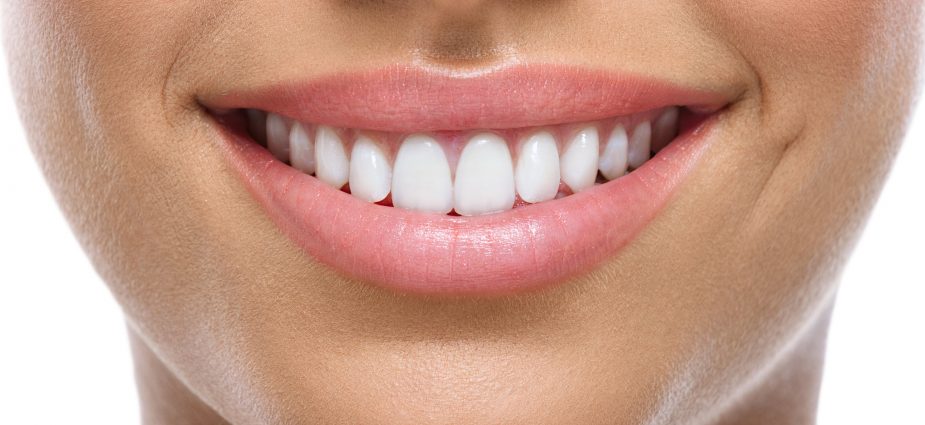
Currently, the regular method used for esthetic restorations is to remove certain amount of tooth tissue and replace the space with ceramic restorations. Porcelain esthetic restorations include porcelain veneers, porcelain crowns, porcelain inlays, etc. Ceramic veneers have superior properties in both esthetic and tooth preservations and are considered as minimally invasive treatment for indirect esthetic restoration. The development of dental ceramic techniques offered a veneer thickness of about 0.3–0.5 mm, decreasing tooth reduction amount and ensuring it to be within the enamel structure and effective bonding. Without the exposure of dentin, sensitivity discomfort would be alleviated and enamel bonding interface also demonstrated to have higher strength. Nevertheless, studies have shown excessive invasion for some of the veneer tooth preparations. Practically, dentin exposure occurs when the prepared finishing planes exceeded the enamel–dentin junction during clinical operations. Poor long-term effects from non-minimally invasive operations occur due to decreased bonding strength, increased dentin sensitivity, and microleakage. The unfavorable phenomena were often caused by inaccurate clinical treatment designs and imprecise tooth preparations, such as free hand tooth preparation.
If you wanna purchase the dental laboratory machine, such as dental laboratory sandblasters, dental agar mixer china, etc. Please check these text links.
Related article:
Why is steam sterilization a good choice for dental sterilization?
 Dental tips