Which type of dental micro motor is better for you?

A few things you should know about Micro motors:

Dental micromotors are used in dentistry for the treatment of semihard dental tissues. This instrument is connected to the hoses of other dental instruments with a variable connection system. Different speeds and torques are also variable, meanwhile two different types of instruments can be placed onto micromotor unitd: straight and contra-angle handpieces.

Micromotors for contra-angle handpiece: The shape of these handpieces form an angle with respect to the horizontal, which facilitates access to the mouth. Here the micromotor is attached to the handle, and at the other end different burs are placed depending on the need for each situation.

Which type of dental micro motor is better for you?

Straight handpiece micromotors: In this case, the shape of the instrument is straight, and its primary use is for surgeries on third molars and retouching of dental prostheses. The hoses are placed at the other end of the micromotor and the micromotors have a regulator of speed and of the rotation’s direction. In addition to this, these micromotors can be either pneumatic or electric, the most common being the pneumatic ones.

Characteristics of micromotors:

We have several models, both pneumatic and electric, of very small and ergonomic sizes, ideally suited for your dental clinic. When choosing a micromotor, it is also very important to take into account its working power. We have a wide range of micromotors, from the simplest ones to other more powerful models which can reach up to 40,000 rpm designed for dental processes needing high power force. An example of a very innovative electric micromotor in the dental sector is the dental brushless micro motor model which is not connected directly to the mains supply, but rather via a transformer, as it requires a low voltage but continuous power supply. It has the option to be accelerated from 0 to 40,000 rpm, such that you can control the revolutions per minute either by means of a built-in pedal or using a ring at the base of the micromotor. The great advantage of electric micromotors is that speed and torque can be controlled very easily.

Check here more “china dental machine”.

Related articles:

What convenience do dental x ray machine and intraoral camera bring to dentistry?

What do you need to pay attention to when you fly after tooth extraction?

which dental micro motor is best suited for your clinic?

Only we simplify the decision process when picking a micromotor among the great variety of models, brands and connection systems, so that you can focus more time on other areas of your business.

A few things you should know about Micromotors:

Dental micromotors are used in dentistry for the treatment of semihard dental tissues. This instrument is connected to the hoses of other dental instruments with a variable connection system. Different speeds and torques are also variable, meanwhile two different types of instruments can be placed onto micromotor unitd: straight and contra-angle handpieces.

which dental micro motor is best suited for your clinic?

Micromotors for contra-angle handpiece: The shape of these handpieces form an angle with respect to the horizontal, which facilitates access to the mouth. Here the micromotor is attached to the handle, and at the other end different burs are placed depending on the need for each situation.

Straight handpiece micromotors: In this case, the shape of the instrument is straight, and its primary use is for surgeries on third molars and retouching of dental prostheses. The hoses are placed at the other end of the micromotor and the micromotors have a regulator of speed and of the rotation’s direction. In addition to this, these micromotors can be either pneumatic or electric, the most common being the pneumatic ones.

Characteristics of dental micro motor:

When choosing a micromotor, it is also very important to take into account its working power. We have a wide range of micromotors, An example of a very innovative electric micromotor in the dental sector is the M140 LED model which is not connected directly to the mains supply, but rather via a transformer, as it requires a low voltage but continuous power supply. It has the option to be accelerated from 0 to 40,000 rpm, such that you can control the revolutions per minute either by means of a built-in pedal or using a ring at the base of the micromotor. The great advantage of electric micromotors is that speed and torque can be controlled very easily.

Check here more “dental equipment china”.

Related articles:

What are some important keys to maintaining a dental handpiece?

What are the reasons that may cause your dental equipments disinfected failure?

Preparation of minimally invasive micro-teeth for dental aesthetic restoration

By removing a part of the structure, the tooth preparation provides restorative space, bonding surface, and finish line for various restorations on abutment. Preparation technique plays critical role in achieving the optimal result of tooth preparation. With successful application of microscope in endodontics for >30 years, there is a full expectation of microscopic dentistry. However, as relatively little progress has been made in the application of microscopic dentistry in prosthodontics, the following assumptions have been proposed: Is it suitable to choose the tooth preparation technique under the naked eye in the microscopic vision? Is there a more accurate preparation technology intended for the microscope? To obtain long-term stable therapeutic effects, is it much easier to achieve maximum tooth preservation and retinal protection and maintain periodontal tissue and oral function health under microscopic vision? Whether the microscopic prosthodontics is a gimmick or a breakthrough in obtaining an ideal tooth preparation should be resolved in microscopic tooth preparation.

Preparation of minimally invasive micro-teeth for dental aesthetic restoration

Currently, the regular method used for esthetic restorations is to remove certain amount of tooth tissue and replace the space with ceramic restorations. Porcelain esthetic restorations include porcelain veneers, porcelain crowns, porcelain inlays, etc. Ceramic veneers have superior properties in both esthetic and tooth preservations and are considered as minimally invasive treatment for indirect esthetic restoration. The development of dental ceramic techniques offered a veneer thickness of about 0.3–0.5 mm, decreasing tooth reduction amount and ensuring it to be within the enamel structure and effective bonding. Without the exposure of dentin, sensitivity discomfort would be alleviated and enamel bonding interface also demonstrated to have higher strength. Nevertheless, studies have shown excessive invasion for some of the veneer tooth preparations. Practically, dentin exposure occurs when the prepared finishing planes exceeded the enamel–dentin junction during clinical operations. Poor long-term effects from non-minimally invasive operations occur due to decreased bonding strength, increased dentin sensitivity, and microleakage. The unfavorable phenomena were often caused by inaccurate clinical treatment designs and imprecise tooth preparations, such as free hand tooth preparation.

If you wanna purchase the dental laboratory machine, such as dental laboratory sandblasters, dental agar mixer china, etc. Please check these text links.

Related article:

Why is steam sterilization a good choice for dental sterilization?

What is the humidity of the autoclave?

What is dental ultrasonic scaler made of?

Aluminium or stainless steel – most of the cleaners are constructed with either of the materials, and this makes the dental ultrasonic scalers durable and lasts a lifetime.

What is dental ultrasonic scaler made of?

Tank – many of the cleaners come with a tank. Each tank varies in size and accommodates different gallons of solvent. There are some without tanks. You will need a bowl or sink to use them. Sonic Soak is a perfect example.

Piezoceramic transducers – they are always found at the bottom or side of the tank

Timers and temperature controllers – this feature is not found in all models

On and off switch – found in all models. Some models offer automatic shut off

Drainer – not all ultrasonic machines have this feature, but for the ones that have, the drainer helps to drain solution after cleaning

Electrical energy – it powers the transducers. Most ultrasonic cleaners run at an average power of 50 watts to 100 watts per gallon.

Rack or basket – helps to prevent scratches or etch while cleaning your item

Operating modes ­– some ultrasonic cleaning machines has sweep modes that give a slight fluctuation in the frequency and a pulse mode that boosts ultrasonic power.
Take note that the tank and basket size should be considered when buying an ultrasonic machine. Choose the size based on the objects you want to wash and clean.

Check here more “dental online shop china”.

Related article :What’s the difference between turbine and anti-angle handpiece?

Did you know that green tea can protect your teeth?

Researchers suspect antimicrobial molecules contained within green tea helps preserve teeth (as long as you don’t add sugar).

People aged 40-64 who drank one cup of green tea a day were less likely to lose teeth.

Did you know that green tea can protect your teeth?

Drinking unsweetened coffee had no effect on keeping teeth.

Antimicrobial molecules called catechins may account for green tea’s benefits.

A cup of green tea a day may keep the dentist away.

That’s the finding of new research published in Preventive Medicine. The findings show that drinking at least one cup of green tea a day increases the odds of keeping your teeth as you age.

“Green tea may have bacteriocidal effects, which would affect teeth, but only if you drink it without sugar,” said Alfredo Morabia, of Columbia University in New York and editor of Preventive Medicine, who wrote an editorial accompanying the new research.

The researchers suspect that antimicrobial molecules called catechins present in green tea and in lesser amounts in oolong tea provide the benefit. But be careful if you like your tea with sugar: sweetener may negate the effect, the team found.

If you want to get more dental information,please click here “china dental supply”. And you also can find some nice dental equipments here, such as dental brushless micro motor, dental lab marathon micro motor, etc.

Related article: What is hidden caries?

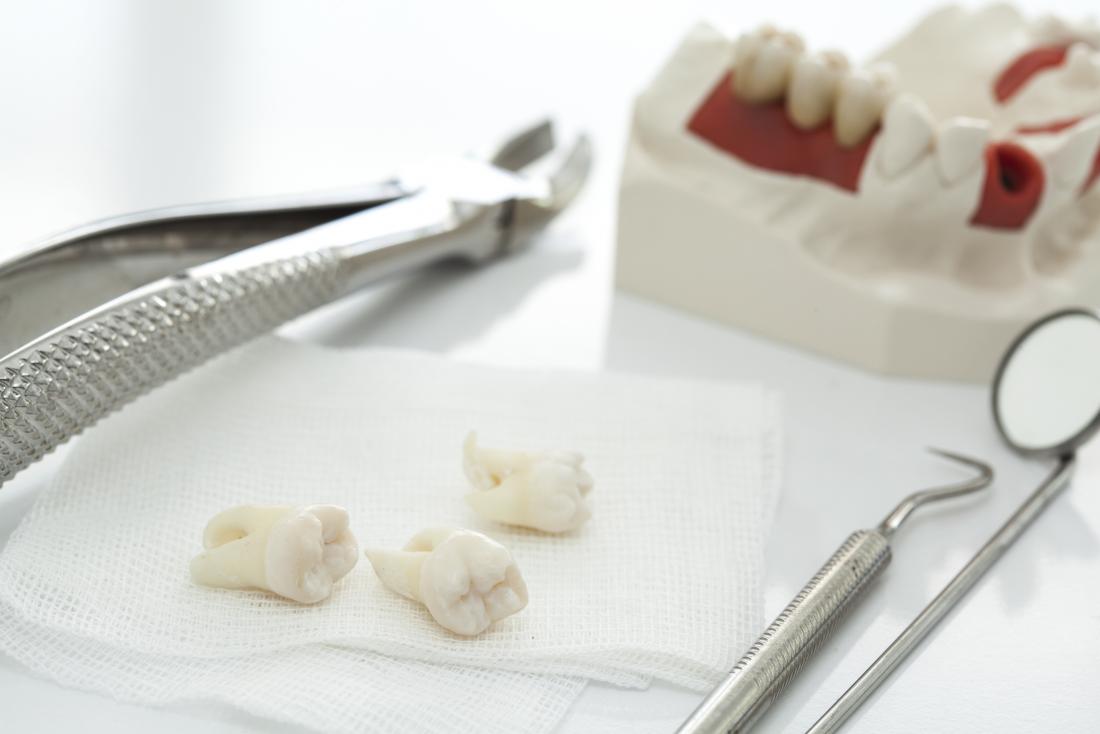
How to take care of your teeth after tooth extraction?

How to take care of your teeth after tooth extraction?

Control Pain
Discuss with your dentist or Periodontist about the best pain relief medication for you and take it as discussed. During your first 24 hours post oral surgery, we encourage our patients to rest with their head propped up with pillows. Patients should also use an ice pack on the outside of their cheeks in 15 minute increments throughout that first day of recovery to minimize discomfort and swelling.

What to eat
There are two things to consider when planning your meals ahead for after oral surgery. One is that your mouth will be sore and the other is that you do not want to disturb the procedure site. For these reasons, we suggest soft foods or liquids. This can be soups, smoothies, yogurts, pudding, protein shakes, mashed potatoes and ice cream. Vitamin C can also help your body heal more quickly so we suggest taking a supplement for a few days post surgery. Chose items that do not require much chewing as your jaw will likely feel stiff and a bit sore. The sucking motion can dislodge a blood clot and hamper healing. It is best to avoid crunchy foods for about six weeks after surgery.

Salt water rinse
We recommend rinsing at least 4 times a day, especially after you eat. The salt water rinse mix can be made with a teaspoon of salt dissolved in a cup of warm water.

Dry Socket Symptoms
Typically if a patient has a dry socket, they will start feeling pain that radiates through their jaw within the first five days following surgery. No need to worry, call your dentist and they will get you in to place a medicated socket dressing in the extraction site. This will give almost immediate relief, however, the application usually needs to be repeated once or twice – about every other day until pain is gone and the blood clot has formed in the socket.

If you are interested in some dental equipments, such as portable dental x ray machine, oral surgery lights,etc. please click here “china dental equipment”.

Related article:What are the benefits of professional teeth whitening?

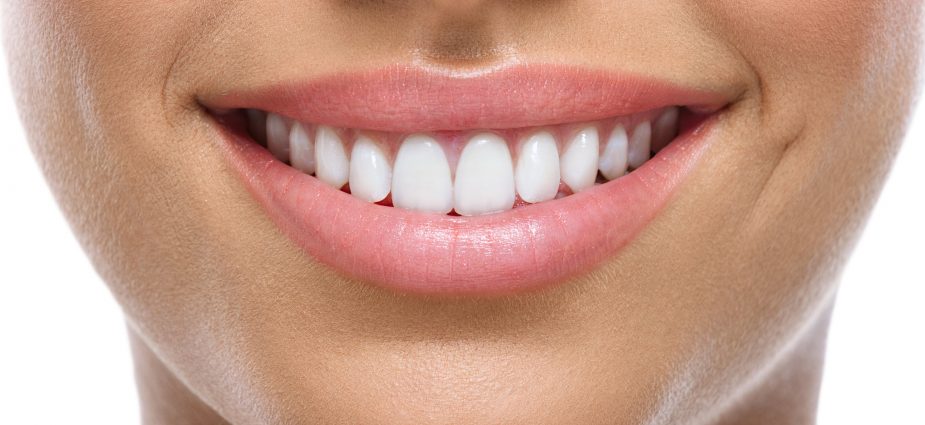
Why do we need teeth whitening? What is the best way to whiten your teeth?

Why do we need teeth whitening? What is the best way to whiten your teeth?

The darker tissue of your teeth, the dentin, can become exposed as the outer layer of enamel is worn away by the effects of aging or things like caffeine and tobacco.
Food particles are naturally attracted to a tooth’s enamel by a certain protein. Products like coffee and tea, berries and soy sauce are notorious for staining teeth. Over time, teeth actually become more absorbent and vulnerable to staining from food and other substances.
One type of stain—caused by traumatic injuries, medications, and fluorosis—actually begins inside the tooth; brushing and flossing don’t help. Another type of stain—one that can be more easily attacked by brushing, flossing and rinsing—is caused by external factors such as foods.
Some commercially available “whitening toothpaste” can be somewhat effective at removing stains and making teeth a few shades brighter. However, many of these products have abrasive substances that can actually wear away your tooth’s enamel.
So, there are more and more people here today are choosing dental whitening procedures to reverse the effects of aging and abuse from food and tobacco stains. There is no doubt that using dental led whitening lamp is a more scientific method for us.
If you are interested in dental equipments. Please click here ” https://www.dentalsalemall.com/”.

Design a site like this with WordPress.com
Get started